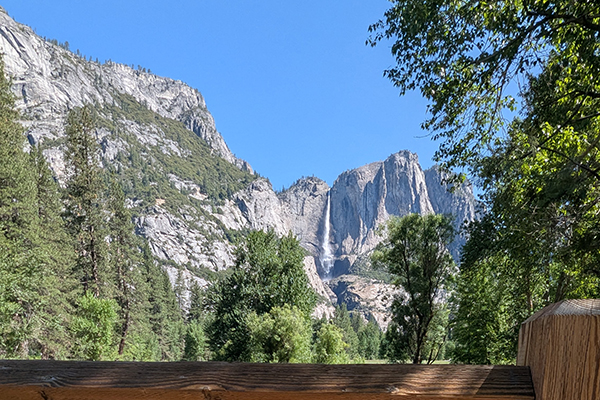
"Of all the paths you take in life, make sure a few of them are dirt." ~John Muir, naturalist and conservationist known as “Father of the National Parks”
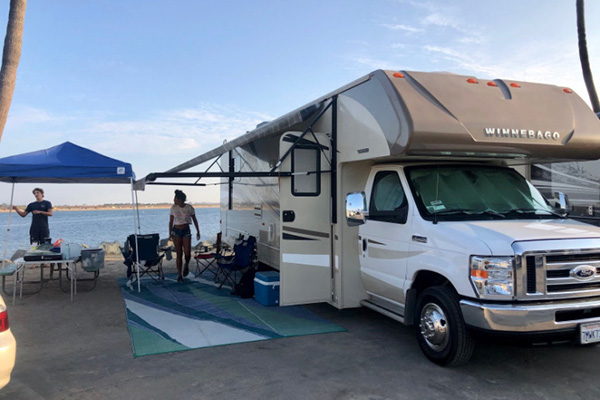
While RV camping dates back to the 1800s, there’s been a surge in popularity as families rediscover the benefits of economic, flexible travel. During the pandemic years alone (2020–2023), RV rentals skyrocketed a shocking 650 percent.
One of the most appealing benefits of RV camping is the opportunity to unplug from everyday stress, yet common misconceptions create apprehension. If overwhelm has prevented your family from trying RV camping, below is a look at some common myths, along with realities to get you on the path to happy trails.
Myth #1: RV camping is too complicated.
Simplify RVing by following the 3-3-3 rule: Don’t drive more than 3 hours (or 300 miles) in a day, arrive at camp before 3 pm (setting up camp in the dark is not easy or fun) and stay at each campground for at least three days (giving everyone time to relax and explore). If you’re new to towing, renting a U-Haul trailer is an inexpensive way to gain experience.
“Aside from a couple of small rental trailers, we had no real experience,” says Rancho Peñsaquitos dad Steve Hoffman. “[The first trip] was definitely a learning curve, and I’ll admit it felt a bit intimidating. But after doing our research, getting some practice, and taking solid advice from experienced campers, I’m now very confident—and even enjoy the challenge of backing our 30foot travel trailer into tight spots.”
The Camping World blog offers an assortment of how-to tutorials: www.blog.campingworld.com/learn-to-rv. Take a printed guide in case cell service is spotty.
Myth #2: My kids are too young.
We’ve been RVing with my son since he was 6 months old. It requires extra preparation, but it’s worth it. Studies prove that outdoor play boosts mental, physical and emotional well-being at all ages.
Get kids involved in age-appropriate planning and setup. We let our toddler press buttons to lower or raise stabilizing jacks and ask his input on where to set things up. He likes feeling empowered and helpful.
“Having a bin of toys that stays in the RV has been super helpful,” says Nichole Paukovits of Lakeside. “We switch out the toys occasionally, but things like stomp rockets and magnetic tiles never get old and are easy to store. Walkie talkies are also a life saver for allowing some freedom while keeping tabs.” Pro tip: Glow sticks help “illuminate” children at night.
Myth #3: RV camping is boring.
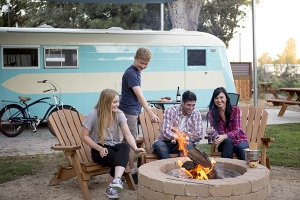
It’s good for families to get back to basics and enjoy healthy, fun activities like biking, hiking, swimming, playing games and scavenger hunts.
“I love having the chance to do nothing but hang out together and relax,” says Paukovits. “At home there is always something that needs to be done. Camping gives us the opportunity to slow down… [it] is a way to make great family memories, especially while the kids still want to hang out with us.”
Myth #4: The campgrounds aren’t nice.
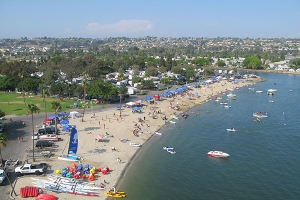
On the contrary: many campgrounds are awesome! Just like hotels, some campgrounds have nicer amenities than others. Locations we’ve enjoyed in San Diego County include Santee Lakes, Paso Picacho, South Carlsbad State Beach, San Diego Metro KOA, San Elijo State Beach, The Springs at Borrego and Campland on the Bay. Trusted sources for campground reviews and images.
- Campendium {link to https://www.campendium.com/}
- AllStays {link to https://www.allstays.com/}
- Campground Views {link to https://www.campgroundviews.com/}
- The Dyrt {link to https://thedyrt.com/}
Myth #5: It’s too expensive.
According to a study by CBRE Hotels Advisory Group, RVing can be up to 60 percent less expensive than traditional vacations due to savings on hotels, flights and eating out.
RVs are available for all budgets; renting may be most practical. Outdoorsy and RVshare are good options that sometimes even offer delivery and set up. Membership clubs can boost savings. Popular choices include Escapees RV Club, Boondockers Welcome, Passport America, Good Sam and Harvest Hosts.
Myth #6: Cooking is a hassle.
While RV ovens aren’t perfect, I’ve managed to serve Thanksgiving dinner out of ours. Pre-plan your meals and pre-cook as much as possible. Some go-to pre-cooked meals include chicken noodle soup, chili and breakfast burritos. Kebobs and foil packet meals (like ground beef, peppers and potatoes) are easy to cook over campfires.
If camping with other families, have each one pick an evening to cook for everyone, or plan potluck dinners to lessen the load.
It’s true that RV camping often presents unexpected learning opportunities. We like to call it memory building! One time we survived two blown transmissions, a small RV fire and a blowout. Luckily, the trip was memorable for other reasons—we got engaged—but we also learned some things (1. Don’t settle for rebuilt transmissions, and 2. Opt for LED over incandescent lightbulbs).
“Even with all my years of expertise, I still manage to learn a little something new on every camping trip,” writes Rain Tucker, author of RV Camping Guide for Beginners. “Over time, you’ll gain experience and refine your strategies and ability to troubleshoot problems while on the road.”
Happy Camping!
Ready to reserve an RV campsite?
Here are good places to start:
California State Parks: link to www.Parks.CA.gov
Campspot: www.Campspot.com
Go Camping America: www.GoCampingAmerica.com
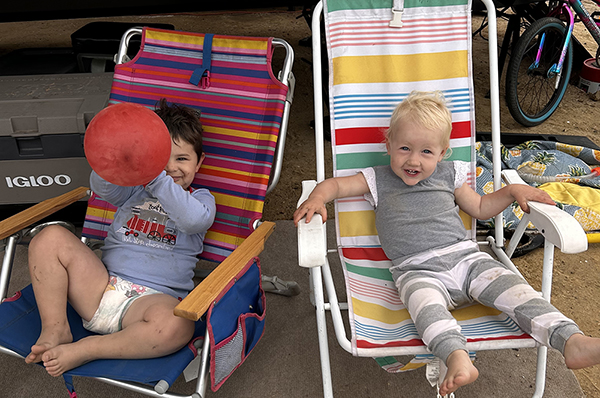
Jennifer Garcia is an award-winning photographer and freelance journalist in East San Diego County whose family likes to wander, but is not lost (mostly). Photos courtesy of Jennifer Garcia.