By the time kids turn 15 years old, their heart will have beaten approximately half-a-billion times and circulated nearly 11 million gallons of blood. During teenage years, the heart grows as much as 30–40 percent. Learning heart-healthy habits to take care of this vital organ is important for all ages, not just adults.
February is American Heart Month which often sparks discussions about cardiovascular health, especially for older adults. While the risk of heart disease increases with age, it’s also influenced by genetics, weight, gender and more. With many healthy (and unhealthy) habits forming in childhood, family lifestyle choices made now can have an impact that spans decades.
“Children learn far more from what we do than from what we say,” says Allie George, MD, FAAP at Coast Pediatrics in 4S Ranch. “The best way to teach heart health is to model it—in how we move, how we manage stress and how we eat.”
To help, we’ve compiled 10 heart-healthy habits that benefit cardiovascular health. Consider adopting these habits into your family’s regular routine.
1. Eat Right
It’s no secret that balanced nutrition contributes to cardiovascular health. The focus shouldn’t be cutting calories, skipping meals or avoiding certain macronutrients. Instead, consume fewer processed foods and more whole foods. Fiber and protein are especially important, as is eating regular meals to maintain blood sugar levels. Large meals require additional cardiovascular effort to digest, which is why people feel sluggish after overeating.
2. Hydrate
When dehydrated, blood volume drops, making the heart work harder to pump thickened blood. This causes heart rates to increase, and this strain to the cardiovascular system can even mimic signs of a heart attack. Lack of electrolytes can stress the heart further by disrupting minerals essential for healthy function.
Start each day with fluids to rehydrate after sleep and focus on consistent intake throughout the day rather than large amounts at a time.
3. Stay Active
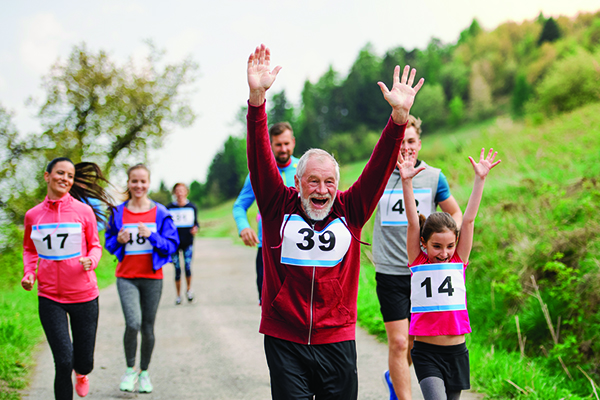
Swimming, biking, hiking and random family dance parties are excellent ways to get blood pumping. The best exercises are the ones your family enjoy and continue to do.
Here are local family-friendly trails for walking or biking; most have bike rental options nearby:
- Carlsbad Coastal Rail Trail
- Solana Beach Coastal Rail Trail
- San Diego River Trail (a network of paths stretching from Point Loma to Santee)
- Mission Bay Trail
- Linear Park (Downtown)
- Lake Miramar (Scripps Ranch)
- Lake Murray (La Mesa)
- Santee Lakes (Santee)
- Walker Preserve Trail (Santee to Lakeside)
Family fun runs are also a great way to engage the heart muscle. For a list of upcoming events, visit www.sandiegofamily.com/resources/family-health-and-home/family-fun-runs-and-5ks-in-san-diego-county.
4. Prioritize Sleep
“Sleep is often overlooked but plays a huge role in cardiovascular health,” says Dr. George. “Children and teens who consistently get too little sleep are more likely to develop high blood pressure, excess weight and insulin resistance—all early risk factors for heart disease.”
According to Dr. George, even 40 to 60 extra minutes of sleep per night is beneficial for cardiovascular health.
5. Reinforce Relationships
In his book Cardio Kids: Raising Heart-Healthy Children for Life, author Leo Heusaff states that social isolation has cardiovascular effects similar to smoking and obesity. Laughter, quality friendships and strong family relationships have the opposite effect, as they are shown to improve heart health.
6. Encourage Discussion
Family history is essential in detecting genetic and structural problems, so it is important to discuss. It’s also important to encourage honesty and body awareness in young athletes, avoiding any pressure to “play through” illness or injury.
“Many young athletes downplay symptoms because they fear losing playing time or disappointing teammates,” says Rhina Paredes, co-founder of The Eric Paredes Save a Life Foundation (EPSALF), a local organization that seeks to prevent cardiac arrest in San Diego youth through awareness and education, free screenings and emergency preparedness.
7. Be Proactive
According to Rady Children’s Hospital Cardiothoracic ICU Medical Director Dr. Rohit Rao, MD, MBA, every minute spent prior to CPR and AED deployment after a cardiac event decreases the chance of survival by 10 percent. The average 9-1-1 response time is 5–12 minutes.
Practice secondary prevention by taking a family-friendly CPR/AED class together to ensure everyone knows the plan in case of emergencies.
8. Get Screened
Regular doctor checkups are important, but they often don’t include ECGs or echocardiograms. EPSALF offers them for free to youth and young adults ages 12–25.
“The [EPSALF] has screened more than 43,000 youth, detecting cardiac risk in 1 in 300 participants,” says Paredes. “This is especially valuable because many young people with hidden heart conditions may not show obvious symptoms until a tragic event.”
The next screening event (open to the public) is Feb. 7 at Castle Park High School in Chula Vista. There is also a screening event at Grossmont High School in El Cajon in April. Register, learn more and find other events at www.epsavealife.org/get-screened.
9. Engage Your Community
Encourage your child’s school, athletic program and local community center to adopt a cardiac emergency response plan, such as Project ADAM, which provides school campuses and community sites with training and equipment for cardiac emergencies.
10. Know the Warning Signs
Chest pain, tightness or pressure, fainting or near-fainting, unexplained shortness of breath, heart palpitations, dizziness, and unexplained fatigue are all symptoms that warrant evaluation.
Resources
The Eric Paredes Save a Life Foundation
www.epsavealife.org
Project Adam
www.projectadam.com/Adam
Parent Heart Watch
www.parentheartwatch.org
American Heart Association
www.heart.org
Jennifer Garcia is an award-winning photographer, writer and graphic designer in East County San Diego. Her whole heart is her husband and children.