I won’t sugar coat this—it’s not uncommon for recovering addicts to use sweets to combat cravings. Why? Because sugar activates the same pleasure and reward pathways in the brain as nicotine and other addictive substances; they increase dopamine levels. Realizing this—and being an enthusiastic sweet tooth—I decided to undergo a sugar detox. While the first week was rough (thank you, sugar flu), the results were staggering. In less than two months I dropped nearly 20 pounds, was able to discontinue blood pressure and indigestion medications, and experienced fewer tummy issues.
I’ve learned a lot through the process, including a keen awareness of what I feed my toddler. While he's genetically a big boy, he’s off the charts for weight. If I’m being honest, he eats too much processed food and sugar. I know I need to turn that around before he inherits all my bad eating habits and struggles.
My family isn’t unique in these struggles. According to the National Institute of Diabetes and Digestive and Kidney Diseases, nearly 1 in 3 adults and 1 in 6 children or adolescents are overweight. Yet, it is estimated that the food and beverage industry spends nearly $14 billion annually on marketing to children, with most of the budget used to promote unhealthy products.
So, what do parents do to safeguard kids against too much sugar? The first steps are to become informed and start reading food labels. Here is what I’ve learned in my own research and sugar detox experience.
The Sugar Effect
Just like when someone drinks excessive alcohol too quickly and becomes overly intoxicated, when someone ingests excessive sugar, their body becomes flooded with more than it can handle. While this is true of both adults and children, kids can be more vulnerable to these effects.
“They say sugar is the new screen time,” says Susan Buckwalter Hartman, Encinitas mom and co-founder of Recoup, a sugar-free organic gut health and hydration drink. “I have a 3-year-old, so we’re still in the critical stages of not only developing healthy habits, but also brain development.”
This is important because too much sugar during critical growth (the first five years), including sugars passed to babies in the womb and in breastmilk, can disrupt development of the heart, brain, liver and gut. Excessive sugar is also linked to lasting effects on memory, mood, cravings, taste preference, appetite, sleep patterns, metabolism and mental health.
Low-Calorie Sweeteners
In the book Sugarproof: Protect Your Family from the Hidden Dangers of Excess Sugar with Simple Everyday Fixes, Michael I. Goran, PhD and Emily E. Ventura, PhD, MPH contest that low-calorie sweeteners (LCS) trick the body into thinking sugar has been ingested, causing an insulin response and increased cravings. Most LCS are processed differently than real sugar, sometimes broken down into harmful compounds and sometimes not broken down at all. According to Goran and Ventura, we don’t have enough information about LCS to understand their long-term effects on children’s growth and development.
Sugary Beverages
- Juices - Nature provides the perfect food: whole fruits, which has fiber that helps the pancreas slowly release insulin, creating stable blood sugar levels. When we juice fruits, this vital component is removed, leaving mainly fructose. Fructose goes to the liver, where it’s converted into fat.
- Sodas – Regular soda consumption is linked to lower test scores, tooth decay, obesity, asthma, inflammation, gut issues, fatty liver disease, diabetes, heart disease and more.
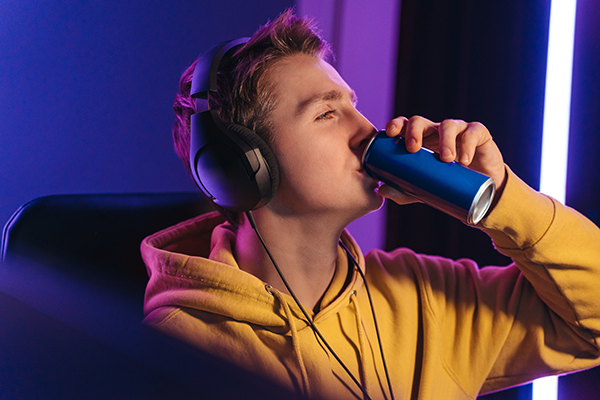
- Energy drinks - The American Academy of Pediatrics (AAP) recommends less than 100 mg of caffeine per day for ages 12–18 (none for kids under 12), and the average energy drink contains 70–200 mg. Couple this with high sugar content and it’s a recipe for disaster, especially because adolescence is a critical time for developing the part of the brain that regulates stress response. Studies show that regular sugar consumption magnifies this response.
Read more about energy drinks in our article “What’s the Buzz: Are Energy Drinks Safe for Kids?” at www.sandiegofamily.com/resources/family-health-and-home/are-energy-drinks-safe-for-kids.
Hidden Sugars
According to Damon Gameau in his documentary “That Sugar Film,” sugar is in approximately 80 percent of the items on supermarket shelves. Below are common sources of hidden sugars:
- Sauces and condiments - ketchup, barbeque sauce, teriyaki sauce, pasta sauces, salad dressings, etc.
- Frozen meals – boxed pizzas, chicken nuggets, fish sticks
- Bread - It’s nearly impossible to find hot dog buns or bagels that don’t contain sugar.
- Yogurt - Many flavored yogurts have almost as much sugar (approx. 20 grams) as a McDonald’s ice cream cone (23 grams).
- Cereals and granola bars – A single serving of cereal could have nearly 45 percent of children’s daily recommendation of added sugars. AAP recommends 6 teaspoons (25 grams).
- Hot dogs, sausages and bacon – Most options contain at least two different sources of sweeteners: dextrose and sugar.
- Chips – Recently a friend was looking at chips, noting zero grams of sugar under Nutrition Facts. When she read the ingredients, she was shocked to see sugar. Manufactures are allowed to label products with less than half a gram as zero, so while minimal, the chips were not sugar free.
- Jams, peanut butter and nut butters – even “made from real fruit” variations
- Baby food and toddler snacks – infant formulas, teething crackers, fruit snacks, fig newtons, etc.
Reading Labels
There are over 200 different names for sugar, not including low-calorie sweeteners. One rule of thumb is that if an ingredient ends in “-ose,” it’s usually sugar. Beware of clever marketing claims like “no sugar added” as many include sweeteners like Splenda or fruit juice concentrate. For an interesting list of other surprising added sugars, visit www.hypoglycemia.org/added-sugar-repository.
Jennifer Garcia is a wife and mama in East San Diego County who recently realized that life is sweet enough without added sugars.