The holidays aren’t always sleep-friendly for families with small children. From late-night parties and holiday travel to school performances and visiting relatives, the season is packed with sleep disruptions. Unfortunately, this can leave children tired and cranky during holiday celebrations—just when parents are looking forward to relaxed family time.
Happily, parents can support sounder sleep during this hectic time of year, and doing so can make the holidays more enjoyable for all, says Charles Shubin, M.D., pediatrician. Read on for age-appropriate tips to keep holiday nights silent and restful, so kids can enjoy a merry season.
Tuckered-Out Traveler
When holiday travel spans the nighttime hours, plan ahead for a smooth bedtime on the airplane or in the car. An on-the-go bedtime routine should mimic your child’s at-home bedtime routine, says Michael Hobaugh, M.D., Ph.D. Familiar bedtime rituals serve as cues for sleep, easing a child into peaceful slumber. “Bring a child’s regular pajamas, toothbrush, storybooks, and anything else used in the bedtime routine at home,” Hobaugh says. “On an airplane, go to the bathroom and brush teeth and wash up, and read bedtime stories as usual. This serves as a transition to bedtime and helps children understand that it’s time to sleep.”
Sleepy Scene
Similarly, if a holiday trip has your family sleeping at a hotel or relative’s home, create a familiar sleep scene for your child by bringing a few bedroom elements from home, like a special blanket, pillow, nightlight, even a special framed photo for the nightstand. Children crave routine and familiarity, says Shubin. Travel means new faces and new places, which can equal stress and poor sleep for little ones. Surrounding a child with familiar comforts at bedtime reduces the stress of travel and helps children fall asleep more quickly and wake less often.
Cabin Fever
Don’t expect children to bed down easily at night when they’ve spent the day cooped up in a vehicle or airplane, particularly if they’ve been napping during the trip, says Hobaugh. Kids need around 60 minutes of physical activity per day to help prepare for restful sleep at night. Take every opportunity to let kids burn off energy en-route; walk up and down airplane aisles, do a loop around the airport terminal between flights; on car trips, stop at a rest stop and allow kids a 15-minute play break every 90 minutes.
Comfort Cues
When kids sleep fitfully in the winter, check the temperature. During the winter, bedrooms are flooded with stale, dry, overheated air—this is especially true in hotel rooms—and parents often dress children in footed fleece pajamas, pile on warm blankets, and dial up the heater in an attempt to keep kids cozy at night. This can backfire, because sleeping in a room that’s too hot can result in poor-quality sleep and nightmares; per the National Sleep Foundation, sleeping in an overheated bedroom is a contributing factor in Sudden Infant Death Syndrome (SIDS). The ideal temperature for sleep is on the cooler side: around 68 degrees Fahrenheit. Dry, heated air can worsen coughing and snoring; some children may benefit from a bedroom humidifier to ease nighttime breathing.
Bedtime Bend
Attending a long-awaited holiday party that you don’t want your child to miss? It’s OK to bend bedtime rules on special occasions, says Gary Feldman, M.D. “It’s not fair to ask children to miss out on the excitement of the holidays, but you don’t want them to stay awake to the point of exhaustion, either,” he says. Keep the party fun for all, and a child’s daily routine intact, by altering a child’s bedtime slightly without completely disregarding it. For children under ten, set a “party” bedtime up to an hour later than the normal bedtime. If you bend bedtime by two hours or more, you may be asking for a meltdown.
Morning After
When children stay up later than normal, parents may be tempted to let them “sleep it off” the following morning, says Hobaugh. But allowing children to sleep in hours later than normal can throw off that night’s bedtime, resulting in a routine that’s off-kilter for days. The morning after an exciting party, let children sleep in up to 30 minutes later than normal, and accept that they’ll be tired that day. Plan for an appropriately early bedtime that evening; a good night’s sleep will help children bounce back from party-induced overtiredness quickly—and help everyone enjoy all the season has to offer.
Malia Jacobson is an award-winning health and parenting journalist and mom of three.
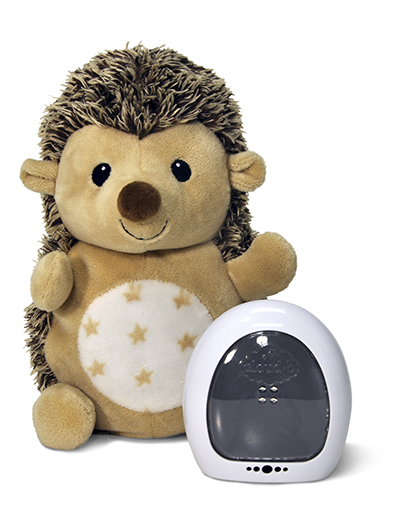
Stay Asleep Buddies
$30.95, ages 1–3
www.CloudB.com
Developed to help kids understand when it’s time to stay in bed and when it’s time to wake up, this interactive plush hedgehog delivers gentle melodies and glowing reminders about bedtime and playtime.
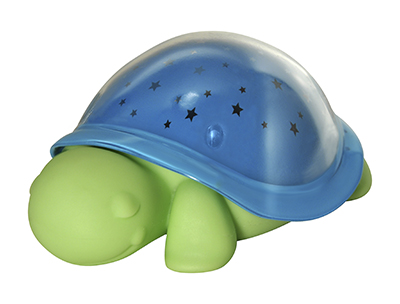
SuperMax the Turtle
$21.95, all ages
www.CloudB.com
This nightlight projects blue, red or green stars to ease fear of the dark and help children go to sleep. Can be used at home or on the go. Included booklet tells a sweet story of Max the Turtle shining his light for those who need it. A portion of the proceeds help children battling critical illness.
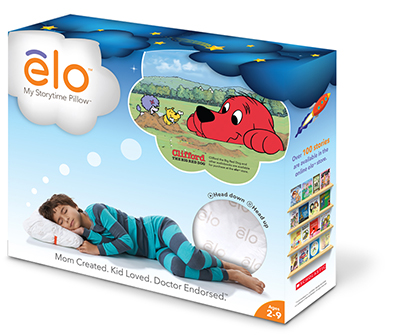
elo My Storytime Pillow
$119, ages 2–9
www.EloPillow.com
Created by parents, the elo pillow plays stories and songs softly when a child’s head rests on it, encouraging him to be still and listen quietly. If his head raises, the story pauses and the child is reminded to “Lay your head down to hear the rest of the story.”
Published December 2015